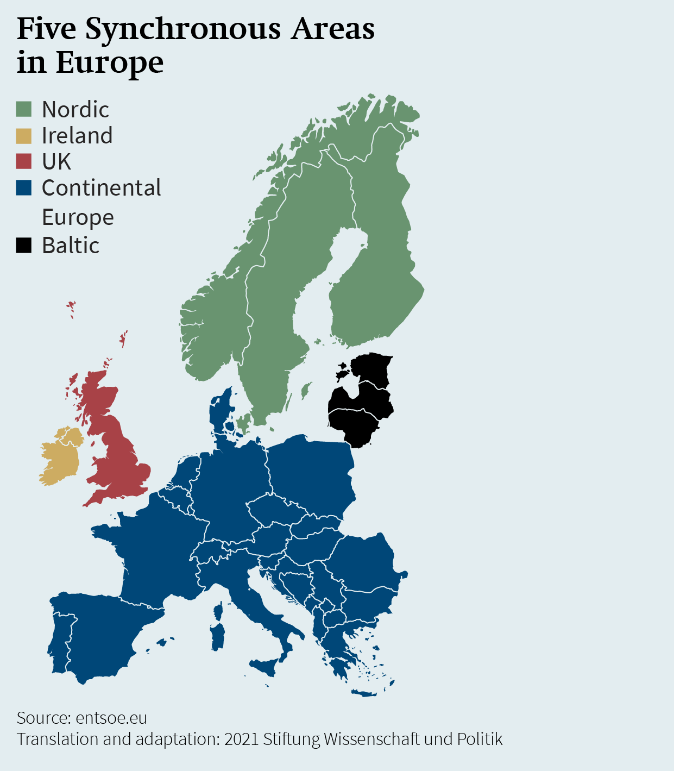
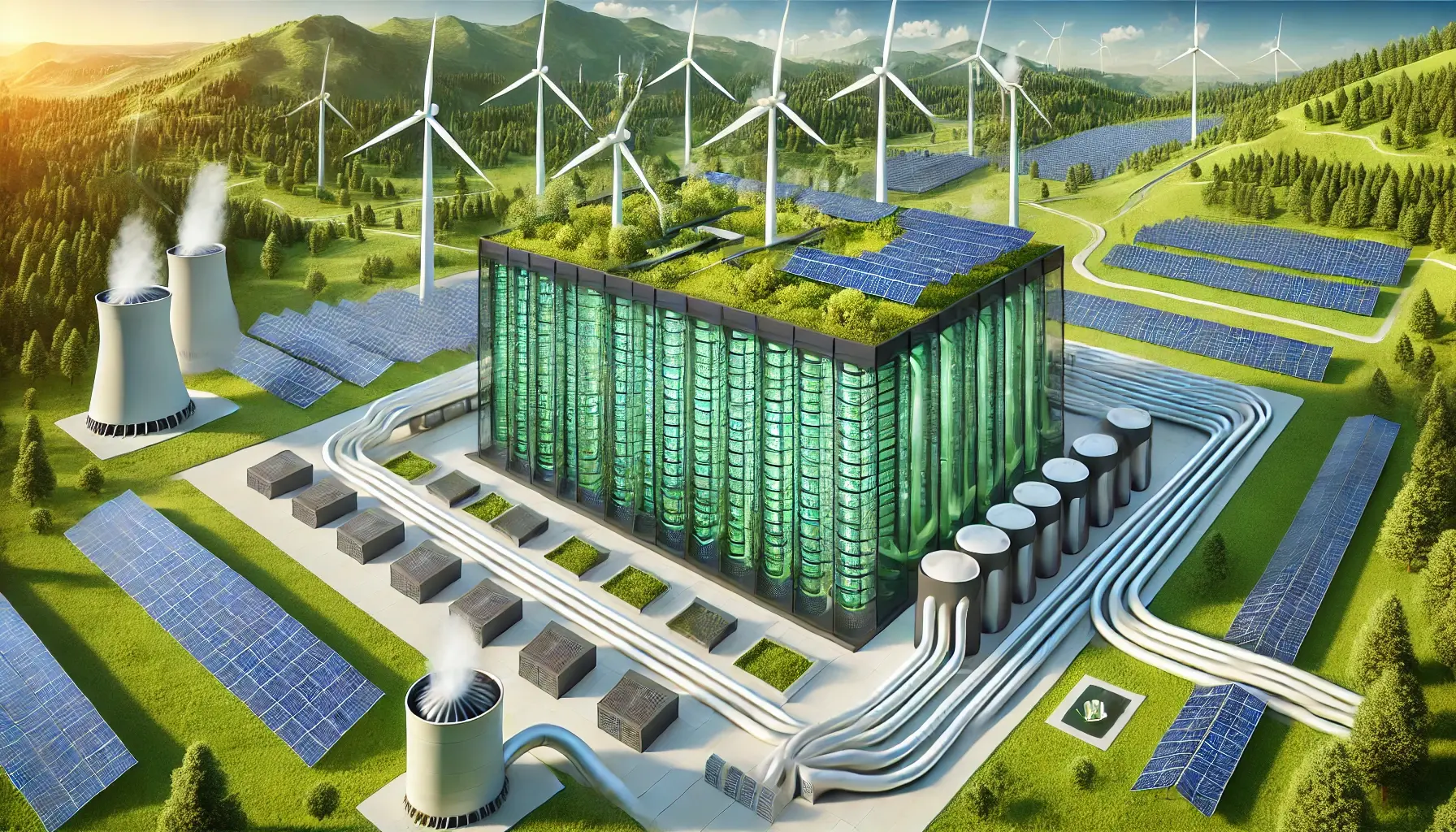
Europe is intensifying its focus on building climate-resilient energy infrastructure as a cornerstone of its green future strategy, according to recent analysis by the World Economic Forum. As renewable penetration expands across the region, policymakers and energy planners are emphasizing the importance of infrastructure that can withstand evolving climate risks — including extreme weather, heat stress, and grid disruptions. These risks not only threaten the physical assets of energy systems — such as transmission lines and distribution networks — but also pose economic and supply security challenges.World Economic Forum
The discussion highlights that in addition to scaling renewable generation, such as wind and solar, new investment must be directed toward grid hardening, risk-mapping, and adaptive planning. Insurers and risk analysts are increasingly using advanced climate modelling to forecast asset vulnerability and inform infrastructure investment decisions. Establishing benchmarks for resilience progress has now become essential, as several of the world’s largest emitters still lag in readiness for climate impacts. The World Economic Forum’s Energy Transition Index underscores that a balanced energy transition requires not only expanding clean power but also ensuring system durability, accessibility, and affordability amidst climatic uncertainties.World Economic Forum
Europe’s approach reflects a broader global trend where energy transition planning integrates resilience planning, signaling a shift from temporary fixes to long-term, climate-proof infrastructure commitments. This holistic perspective aims to protect existing and future energy assets while assuring energy access for millions in the face of intensifying climate pressures.




Comments (0)